
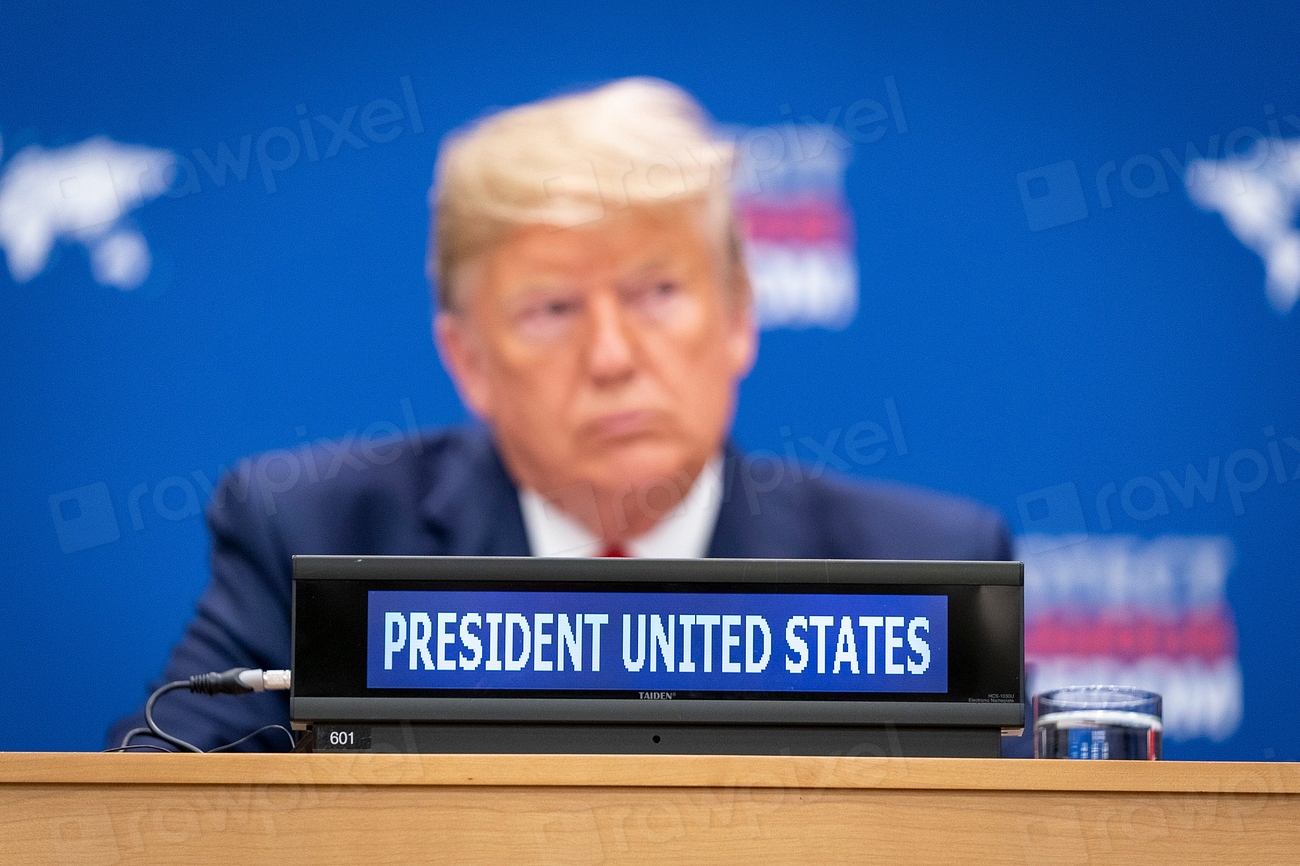
As President Donald Trump passes the 100-day mark of his second term, the American public finds itself trapped in a familiar theater of distraction and denial. With all the pomp of a campaign trail revival and none of the progress, Trump has again mastered the art of promising everything and delivering next to nothing. From his pledges to “end endless wars” to reducing food prices and restoring “law and order,” Trump’s lofty assurances have dissolved into a mist of deflection, grievance politics, and rhetorical sleight of hand.
Despite his return to power with a renewed mandate from his base, Trump’s policy failures are already mounting. One of the starkest betrayals is his broken promise to bring home American troops and avoid new military entanglements. Instead, the U.S. finds itself mired in escalating tensions in the Middle East, with increased military deployments and no clear diplomatic strategy in sight. Much like his first term, Trump’s foreign policy is reactive, bellicose, and ultimately contradictory—making it clear that his vow to prioritize peace was more campaign theater than genuine conviction.
Meanwhile, the everyday economic promises that helped fuel Trump’s populist image have also fallen flat. Grocery bills remain high, inflation persists, and the cost of living continues to burden working families. During the 2024 campaign, Trump routinely blamed Biden for rising prices and pledged immediate relief. Yet, over three months into his administration, the economic pain remains. Instead of confronting the crisis head-on, Trump doubles down on blame, painting the Biden administration as the perpetual culprit for the nation’s woes—even as Biden has been out of office for months.
This relentless blame-shifting is not a new tactic, but its effectiveness is deeply troubling. Trump has mastered the political art of escapism—refusing to admit failure, dodging responsibility, and demonizing anyone who questions him. In doing so, he avoids the democratic norm of presidential accountability. The mechanisms that should hold him responsible—Congressional oversight, journalistic scrutiny, public debate—are often overwhelmed by his cult of personality and the echo chambers that shield him.
Perhaps most concerning is the underlying character trait that enables this behavior: Trump’s authoritarian temperament. His unwillingness to accept fault, his constant need to project strength at all costs, and his instinct to punish dissent bear a striking resemblance to the hallmarks of a dictatorial psyche. A leader who cannot admit failure is a leader who cannot learn. And a leader who cannot learn becomes a danger not only to effective governance but to the health of the democratic process itself.
There’s a grim possibility that President Trump may never be held accountable—not because his record is unimpeachable, but because his narrative is impenetrable. He has built a political brand on grievance and infallibility, one where admitting fault is weakness and enemies are everywhere. This post-truth approach to leadership—where facts are negotiable and failure is always someone else’s fault—undermines the core of democratic accountability.
As America watches Trump’s second term unfold, the question is no longer just about policy or politics. It’s about whether the nation can hold its leaders accountable when they refuse to be held accountable themselves. For now, Trump’s second term looks less like redemption and more like a repetition—of broken promises, scapegoating, and an unshakable refusal to look in the mirror.
Team TrumpDictionary.com, a political commentator and writer focusing on U.S. economic policy and governance.
Leave a Reply