
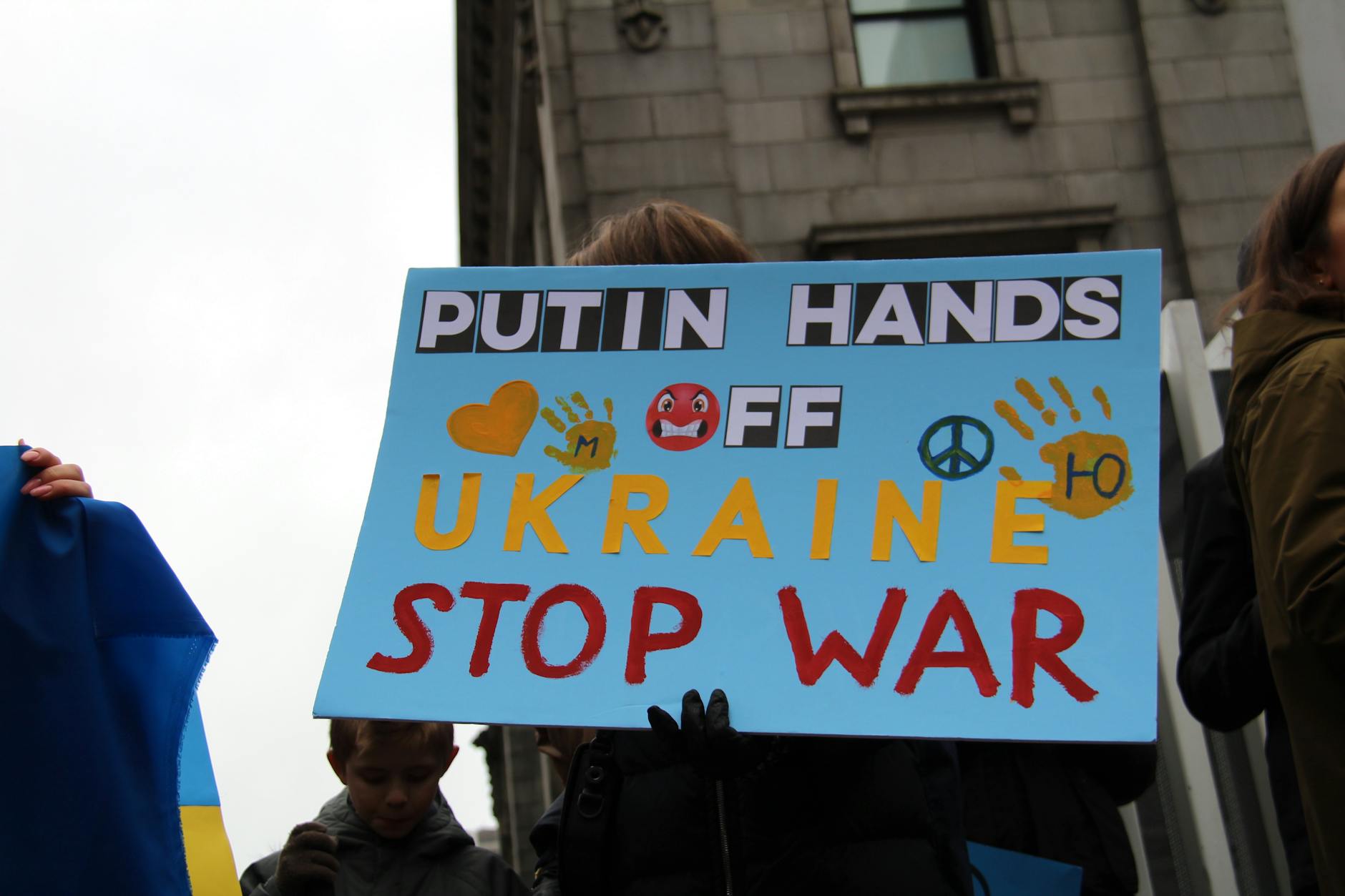
As the war in Ukraine grinds into its third devastating year, one fact remains unchanged: Vladimir Putin shows no willingness to stop. The belief that Ukraine belongs to Russia is not just a recent excuse for aggression — it is the product of deep historical, ideological, and imperial motives rooted in centuries of Russian and Soviet ambition.
Historical Timeline: From Empire to Invasion
- 1654: Treaty of Pereyaslav integrates parts of Ukraine into the Tsardom of Russia.
- 1922: Formation of the Soviet Union; Ukraine becomes one of its founding republics.
- 1932–33: Holodomor — a man-made famine caused by Stalin’s policies kills millions in Ukraine.
- 1991: Collapse of the Soviet Union. Ukraine declares independence and is recognized by the world — including Russia.
- 2014: Russia annexes Crimea after pro-European protests oust Ukraine’s pro-Russian president.
- 2022: Russia launches a full-scale invasion of Ukraine under false pretenses of ‘denazification’ and defending Russian speakers.
Putin’s Rationale: More than Geopolitics
Vladimir Putin has repeatedly expressed that Ukraine is not a real country. In a 2021 article and subsequent speeches, he described Russians and Ukrainians as ‘one people’ and framed Ukraine’s independence as a historical mistake. Putin’s worldview is shaped by a blend of Soviet nostalgia, Russian imperialism, and paranoia about NATO expansion.
To him, the fall of the Soviet Union was ‘the greatest geopolitical catastrophe of the 20th century.’ Restoring Russian influence — starting with Ukraine — is not just a strategy; it’s a legacy goal.
Trump’s Futile Boasts: Hollow and Dangerous
Former President Donald Trump has repeatedly said, ‘If I were president, this war never would have happened,’ and ‘I’ll end the war in one day — 24 hours, I promise.’
These claims are not just absurd — they’re insulting to the complexity of global diplomacy. Trump has no demonstrated ability to mediate conflict. His history shows no track record of solving disputes without legal intervention or blame-shifting. The idea that a phone call or personal deal would sway Putin, who views Ukraine as an existential part of Russia’s destiny, is dangerously naive.
Conclusion: The Bigger Picture
Putin’s war is not just about land — it’s about history, identity, and power. His goals extend beyond Ukraine, aiming to rebuild Russian dominance and resist Western influence.
In this context, any notion that Donald Trump — or any single Western leader — could simply ‘fix’ this with bravado is not only delusional, it misunderstands the enemy entirely. Diplomacy is not about ego. It’s about resolve, strategy, and global unity — the very things Putin fears most.
As long as Putin clings to his imperial fantasy, no shortcut, slogan, or ‘deal-making’ from Trump will end this war. Peace will come not from personality, but from pressure, perseverance, and truth.
Leave a Reply